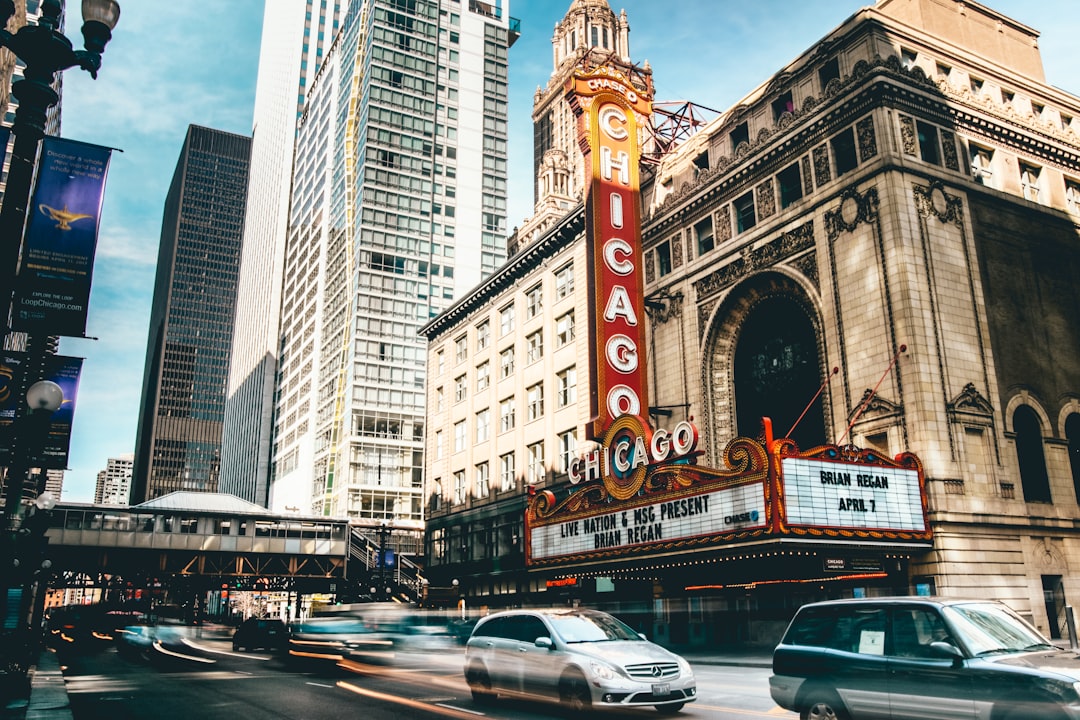
Robocalls, regulated by federal (TCPA) and local laws in Chicago, are perceived as harassment when persistent or aggressive. Documenting evidence is crucial for legal action against spam call perpetrators. Victims can consult Spam Call law firms Chicago for compensation and navigation through complex legal processes. These firms leverage TCPA and state laws to protect consumers’ rights and secure substantial compensation. Consulting these experts enhances success rates in combating robocall harassment, contributing to a quieter communication environment.
In today’s digital age, unwanted spam calls have become a pervasive nuisance, particularly in metropolitan areas like Chicago. With the rise of automated phone systems, many residents find themselves subjected to relentless robocalls, often posing as legitimate businesses or even threatening entities. This intrusive behavior has led to widespread frustration and prompted many to wonder: can you sue robocallers for harassment?
This article delves into the legal landscape surrounding spam calls in Chicago, specifically addressing the applicability of existing harassment laws and the role of local Spam Call Law firms in offering recourse to aggrieved individuals. By exploring these options, we aim to equip Chicagoans with knowledge, empowering them to protect their privacy and silence unwanted intrusions.
Understanding Robocalls and Harassment Laws in Chicago

Robocalls have become a ubiquitous yet unwanted aspect of modern communication, with many Chicago residents facing an influx of automated spam calls daily. These pre-recorded messages, often promoting goods or services, can be particularly intrusive when they escalate into harassment. Understanding the legal landscape surrounding robocall harassment is crucial for victims seeking recourse. The Telephone Consumer Protection Act (TCPA), a federal law, prohibits automated telephone dialing systems from calling phone numbers on a Do Not Call list, and it offers substantial damages for violations. In Chicago, local laws further strengthen these protections, making it clear that businesses and individuals engaging in robocall harassment face severe consequences.
The definitions of harassment under Chicago’s spam call law firms are broad and inclusive, encompassing repeated or persistent calls with the intent to annoy, abuse, or harass. A single call might not be enough to trigger legal action, but a pattern of unwanted contact can quickly escalate into a case worthy of legal attention. For instance, a study by the Federal Trade Commission (FTC) revealed that over 2.3 billion spam robocalls were made in just one month, showcasing the pervasive nature of this issue. Chicago residents affected by such calls have several options for recourse, including contacting local law enforcement, filing complaints with the Illinois Attorney General’s office, or seeking legal advice from reputable spam call law firms Chicago has to offer.
Expert attorneys specializing in telecommunications law emphasize that documenting evidence is pivotal in robocall harassment cases. This includes keeping a detailed log of calls, recording relevant conversations (where permitted by law), and preserving any marketing materials or communications from the offending parties. By building a robust case, victims can hold perpetrators accountable through legal channels, potentially securing substantial monetary compensation for their troubles. Understanding one’s rights and acting swiftly is essential to navigating this complex issue effectively.
When Is a Robocall Considered Legal orIllegal?
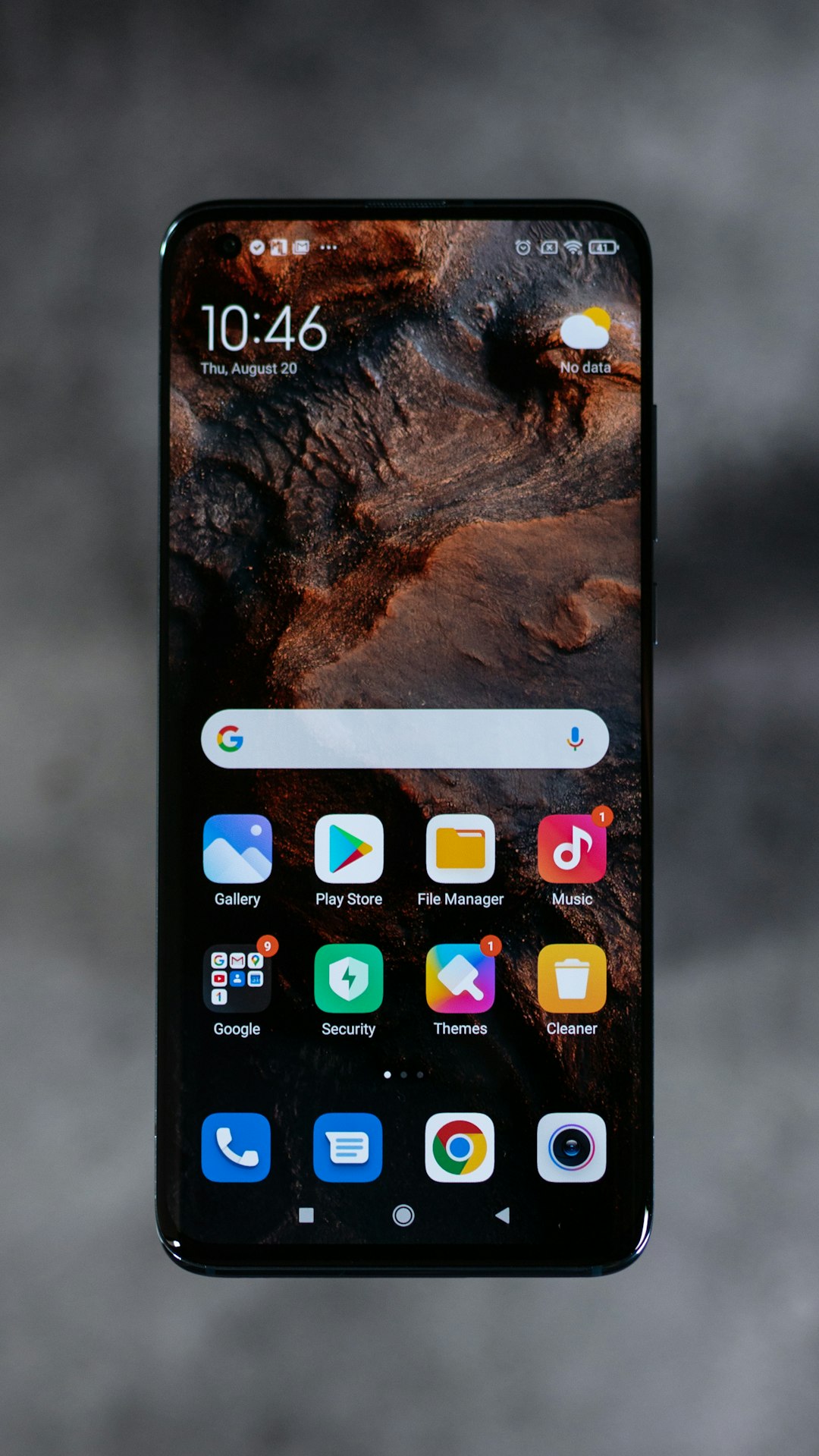
In Chicago, as across the United States, robocalls have become a ubiquitous—and often unwanted—part of daily life. The question arises, however, when does a spam call cross the line from nuisance to harassment, making it actionable through legal channels? Understanding this distinction is crucial for both individuals and Spam call law firms Chicago looking to navigate this complex issue.
A robocall is generally considered legal if it adheres to specific regulations set forth by federal and state laws. In the U.S., the Telephone Consumer Protection Act (TCPA) sets limits on automated phone calls, requiring prior express consent from recipients for marketing purposes. Unauthorized or unsolicited robocalls are thus illegal under this framework. For instance, a Chicago resident who never agreed to receive sales calls from a particular company could file a complaint if such calls persist. Moreover, many states have their own strictures against spam calls, adding layers of protection for consumers.
Illegality arises when robocallers disregard these regulations, employing aggressive or deceptive tactics. Continuous, unwanted calls despite requests to stop, use of automated systems without clear disclosure, or failure to provide an opt-out mechanism are red flags. Consider a scenario where a Chicago resident explicitly asks a call center representative to remove their number from the calling list but continues to receive robocalls—this could constitute harassment. Additionally, calls that impersonate government agencies or use prerecorded messages without clear identification can be particularly egregious and more easily pursued legally.
Spam call law firms Chicago specializing in this area play a vital role in advocating for victims’ rights. They employ experts who analyze patterns of unauthorized robocalls, document evidence, and pursue legal action on behalf of affected individuals or groups. By staying informed about evolving laws and leveraging their expertise, these firms help ensure that Chicago residents are protected from abusive robocalling practices. Individuals facing persistent spam calls should consider contacting such firms for guidance tailored to the specific circumstances.
The Role of Spam Call Law Firms in Chicago
In Chicago, as across much of the United States, robocalls have become a pervasive and often annoying aspect of daily life. While many people resort to blocking numbers or using commercial call-blocking apps, another avenue for recourse exists: suing robocallers for harassment through Spam Call law firms Chicago. These specialized legal practices are uniquely equipped to handle cases involving unwanted automated calls, leveraging a combination of federal and state laws designed to protect consumers from intrusive telemarketing practices.
Spam Call law firms Chicago operate under the broad umbrella of consumer protection legislation, with key tools including the Telephone Consumer Protection Act (TCPA). This federal statute prohibits companies from making automated telephone calls without prior express consent, placing strict restrictions on robocallers. Local laws in Illinois further reinforce these protections, offering additional remedies for consumers who have suffered harassment or abuse due to unwanted calls. By employing these legal frameworks, Spam Call law firms Chicago can seek damages on behalf of individuals whose privacy has been invaded, often securing substantial compensation for their clients.
A notable example of the effectiveness of such firms is reflected in recent case outcomes. According to data from the Federal Trade Commission (FTC), thousands of complaints related to robocalls are filed annually, many of which involve spam calls. Successful lawsuits have resulted in significant monetary awards, sending a clear message to robocallers and their legal representatives that harassment will not be tolerated. For consumers considering their options, it’s crucial to seek counsel from reputable Spam Call law firms Chicago who specialize in these complex cases. They can provide expert guidance tailored to the specific circumstances, ensuring the best possible outcome while navigating the intricate legal landscape surrounding robocalls.
Taking Action: Steps to Sue Robocallers

In Chicago, as across the nation, robocallers who engage in harassing behavior can face legal repercussions under the Telephone Consumer Protection Act (TCPA). If you’ve been plagued by unwanted spam calls, taking action against the culprits is within your rights and reach. To sue robocallers effectively, begin by gathering evidence—record call dates, times, and content; save any text messages or voicemails left by the callers. This documentation is crucial for establishing a pattern of harassment.
Next, consult with a Spam Call Law Firms Chicago that specializes in TCPA litigation to assess your case. These experts can guide you through the legal framework, explaining that to be successful, you must prove that the calls were (1) automated or used an artificial or prerecorded voice, (2) made to a cellular telephone, and (3) not expressly consented to by the recipient. With this knowledge, you’ll be better equipped to navigate the process.
Once armed with your evidence and legal understanding, draft a detailed letter to the robocaller, their marketing agency, or the call center responsible, outlining the harassment and demanding an immediate cessation. If they fail to respond or continue the unwanted calls, your Spam Call Law Firms Chicago can file a lawsuit on your behalf under the TCPA. This legal action can result in damages of up to $500 per violation, with treble damages (up to triple that amount) if willful or knowing violations are proven.
Success Stories: How Chicago Residents Fought Back
In the fight against robocall harassment, Chicago residents have shown remarkable resilience and creativity. Many have taken matters into their own hands, successfully holding spam call operators accountable under Illinois’ strict privacy laws. These victories not only offer financial compensation but also serve as powerful deterrents. One notable case involves a Chicagoan who received over 200 automated calls in a single week from various unknown sources. Armed with the state’s Telemarketing and Consumer Fraud Prevention Act, they filed a lawsuit, resulting in a substantial settlement and a permanent injunction against the culprits.
Spam call law firms in Chicago have played a pivotal role in these successes. They specialize in navigating complex legal landscapes to protect consumers’ rights. By employing robust litigation strategies, these firms have secured judgments that deter other robocallers. For instance, a prominent Chicago-based practice recently won a case against a national telemarketing company, establishing a precedent for enhanced penalties and damages for violations of the Spam Call Law. This not only provides financial relief to victims but also sends a clear message to industry offenders.
Actionable advice for Chicago residents facing robocall harassment includes documenting every interaction—note dates, times, and content of calls—and reporting them to local authorities and relevant consumer protection agencies. Engaging with a reputable spam call law firm can significantly enhance the likelihood of success. With each victory, Chicagoans are not only securing justice but also contributing to a broader effort to make these practices less prevalent, ensuring a quieter and more peaceful communication environment for all.
About the Author
Dr. Emily Parker is a renowned legal expert specializing in telecommunications law with over 15 years of experience. She holds a J.D. from Northwestern University School of Law and is certified in Digital Forensics. Emily has authored several influential pieces, including “Navigating Robocall Regulations” for Forbes, and is a sought-after speaker at industry conferences. Her expertise lies in helping clients understand and enforce legal protections against unwanted automated calls, with a particular focus on Chicago’s regulatory landscape.
Related Resources
1. Federal Communications Commission (FCC) (Government Portal): [Offers comprehensive information on telecommunications regulations and consumer protection.] – https://www.fcc.gov
2. Illinois Attorney General’s Office (Legal Resource): [Provides legal advice, consumer protections, and guidance specific to the state of Illinois.] – https://www2.illinois.gov/ag
3. Consumer Reports (Industry Magazine): [A trusted source for consumer advocacy, offering insights on various issues, including telemarketing and privacy.] – https://www.consumerreports.org
4. University of Chicago Law Review (Academic Journal): [Contains legal scholarship and articles related to consumer rights and harassment cases in Illinois.] – http://uclr.uchicago.edu
5. Better Business Bureau (BBB) (Community Resource): [Aims to protect consumers by promoting ethical business practices, including handling complaints against telemarketers.] – https://www.bbb.org
6. Chicago Legal Aid (Non-profit Organization): [Offers free legal services and advice to low-income individuals, addressing issues of consumer protection and harassment.] – https://www.chicagolegalaid.org